The AOPH vibe
Sound, mood, and meaning
AOPH is my music identity — a space where I translate emotion into sound. If my technology work is about clarity and functionality, AOPH is about atmosphere and connection. It’s the side of me that doesn’t want to explain everything with logic, because sometimes feelings are more precise when they’re not over-described.
I didn’t choose the AOPH name as a random label. I wanted something short, modern, and flexible — a name that can sit on a cover, a playlist, or a video title without feeling heavy. Over time, AOPH has become more than a name; it has become a signature for a specific mood: warm, restrained, cinematic, and emotionally direct.
The sound of AOPH lives between pop and R&B soul, but it doesn’t try to copy any one era. I’m drawn to melodies that feel timeless — melodies that stay in your head not because they’re loud, but because they’re honest. I like vocal textures that feel close and human. I like chords that feel like late-night lights on a quiet street. And I like production that leaves room for breath.
Sometimes people think “good production” means adding more layers until everything is full. But the AOPH approach is often the opposite: choose fewer things, but make each element intentional. A clean drum groove that carries the song without forcing attention. A bassline that supports emotion rather than showing off. A synth that feels like a color, not a spotlight. When a track is built like that, the listener doesn’t feel attacked by sound — they feel invited into it.
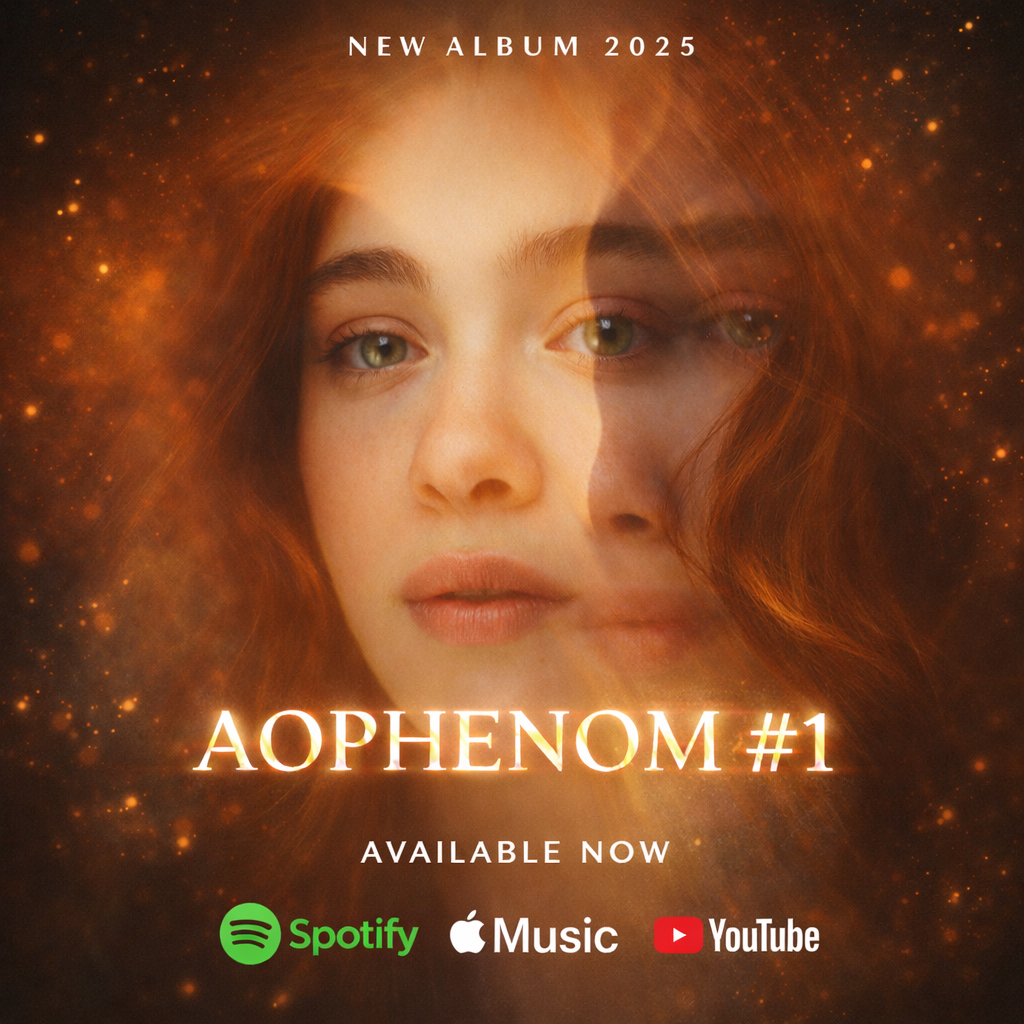
AOPHENOM #1 is one of the milestones in that journey. It represents a chapter where the identity becomes clearer: the balance between groove and softness, the balance between modern energy and classic feeling. It’s not just a collection of tracks — it’s a statement about mood. It’s the kind of music you can play while working, driving, healing, or thinking. Not background music — companion music.
What matters most to me in a release is not only the hook, but the emotional honesty. I want people to feel something real. Maybe it’s comfort. Maybe it’s longing. Maybe it’s confidence. Maybe it’s nostalgia. A song doesn’t need to explain exactly what it means; it needs to be true enough that the listener can place their own story inside it.
That’s also why I care about visuals. The AOPH world is not only audio — it’s visual tone as well. Cover art, typography, color choices, and motion graphics are not just decoration; they’re emotional cues. I like designs that feel premium but not noisy. Clean, modern, cinematic, and slightly mysterious. A visual should feel like the first seconds of a song: it should prepare your mind to enter the mood.
The AOPH mindset is built on three pillars. First: mood first. Before I think about genre, I think about mood. What time of day does this song belong to? What does it feel like? If it feels like midnight city lights, then the production should match that. If it feels like sunlight after a long week, it should sound open and warm. Mood is the compass.
Second: restraint as a style. Restraint doesn’t mean minimal for the sake of it. It means leaving space for the listener. It means not filling every second with sound. It means choosing the best ideas and letting them breathe. The result is music that feels confident rather than desperate.
Third: emotional clarity. Even when lyrics are poetic, the emotion should be clear. The listener might not remember every word, but they should remember how the song felt. If the emotion is unclear, the track becomes forgettable. If the emotion is clear, the track becomes personal.
In the end, AOPH is not a character separate from me. It’s simply my emotional language in public form. It’s what happens when I take everything I’ve learned about structure and focus — the same skills I use in building systems — and apply it to sound and storytelling.
If you’re new here, the best way to understand AOPH is to listen without rushing. Let a track play from start to finish. Notice the choices: where the sound opens up, where it holds back, where the melody becomes the center, where silence becomes part of the rhythm. AOPH isn’t built to impress in five seconds; it’s built to stay with you longer than that.
If you’ve listened before and you’re coming back, thank you. The journey continues. More music is always being shaped — sometimes quietly, sometimes with a bigger release. But the direction stays consistent: sound that feels premium, soulful, and real.
AOPH is music for the part of you that wants to feel calm, focused, and connected — without losing the spark. If that’s you, welcome to the world.
Gallery
Galler of AOPH Journey. Click any image to view.